Obesity, a increasing health issue, involves an excessive accumulation of body tissue. It's rarely due to a lone cause; instead, it’s typically a multifaceted interplay of genetic predispositions, environmental factors, and habitual influences. Inherited traits can certainly contribute, but inadequate diets, a absence of physical exercise, and some medical ailments frequently exacerbate the condition. The likely health consequences associated with obesity are significant, including a heightened risk of heart complications, diabetes, cancer, sleep apnea, and arthritis. Fortunately, diverse treatment strategies are available. These can encompass lifestyle modifications – including a balanced diet and regular physical workouts – along with medical interventions or, in some situations, bariatric procedures. Consulting professional guidance is crucial for a individualized and successful fat reduction program.
Obesity Programs: Discovering Support & Managing Weight
Feeling struggling with your size? Enrolling in an excess weight class can be a truly beneficial step toward a healthier future. These structured programs often offer a combination of learning on nutrition, movement, and behavioral strategies to tackle the difficult aspects of weight gain. Beyond the useful tips, they also provide a vital group environment where you can connect with others facing similar difficulties, find motivation, and acknowledge milestones together. Finding the right group for your needs is crucial - consider elements like location, cost, and the teaching style to ensure a productive journey. Don't delay to explore the choices and begin your quest to a better life!
Classification Codes for Obesity: A Diagnostic Guide
Accurately diagnosing obesity is crucial for effective patient care and appropriate treatment planning. The International Coding of Diseases, 10th Revision (ICD-10|ICD-10 system|ICD-10 coding), provides a detailed system for assigning various health diseases, including those related to size. Several ICD-10 codes are allocated to indicate different degrees of intensity of excess weight and its associated related health problems. For case, E66.0 denotes obesity with overhydration, while E66.9 shows weight gain, unspecified. Moreover, understanding the details of these designations allows healthcare providers to invoice appropriately and follow population well-being trends efficiently. Thus, familiarity with these ICD-10 codes is vital for all involved in healthcare provision. Bear in mind utilizing recent resources and instructions for the most accurate designation.
Determining Body Mass Index and Weight Gain: Figuring Out Your Likelihood Risk
Knowing your Body Mass Index (BMI) is a easy first step in analyzing your general health and possible risk for obesity-related problems. BMI incorporates your elevation obesity definition bmi and weight to give a value that categorizes you into a defined weight condition: underweight, normal weight, overweight, or obese. While it’s not a complete measure – it doesn't account for muscle mass or body make-up – a higher BMI usually suggests an higher risk of physical difficulties like heart disease, type 2 diabetes, and certain cancers. Multiple online resources and your doctor can support you compute your BMI. Remember to talk about your results with a doctor professional for personalized advice.
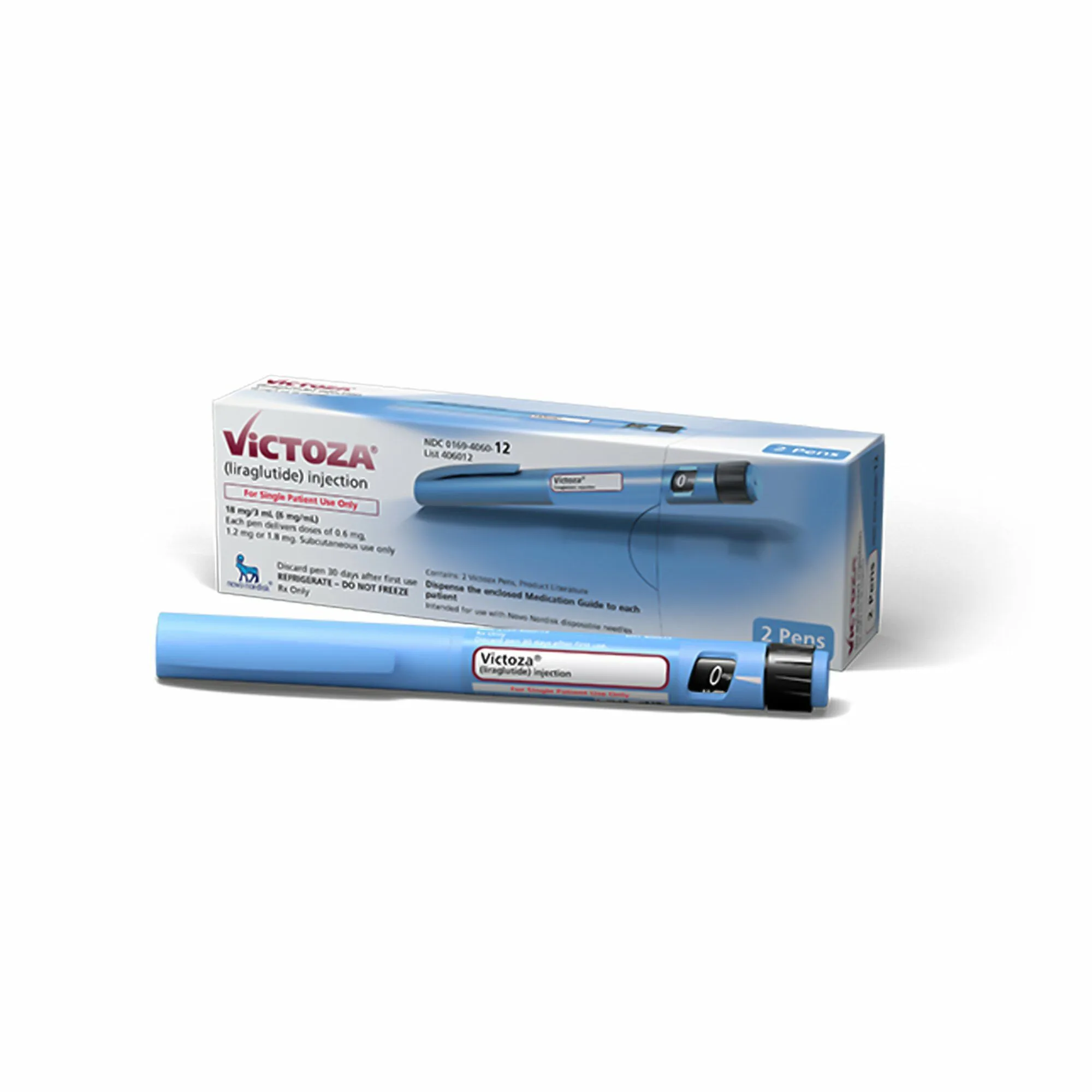
Accessing Support with Obesity
Dealing with weight issues can feel overwhelming, but you're certainly not alone. Fortunately, a diverse selection of options are within reach to support your journey. Consider starting with your family doctor, who can evaluate your condition and provide tailored recommendations. Several online platforms offer helpful content and interactive tools related to diet and physical activity. Additionally, explore local support groups – connecting with others facing similar obstacles can be incredibly beneficial. Avoid not seeking professional help from a registered dietitian or a exercise professional to create a manageable approach for your well-being. Keep in mind that small, consistent steps contribute to significant gains in your physical and mental state.
Obesity & Health
The rising prevalence of being overweight presents a serious public medical challenge globally. This complex condition, typically defined as having a Body Mass Index (BMI) of 30 or above, is associated to a extensive range of chronic diseases. Furthermore, it's just a matter of corporeal appearance; it dramatically affects overall quality of life. Common related physical conditions include non-insulin dependent diabetes, heart disease—such as elevated blood pressure and poor heart function—certain types of malignancy, joint pain, and sleep apnea. Managing obesity requires a integrated approach, encompassing healthy habits like a wholesome diet, regular movement, and, in some instances, medical interventions.